-
Good Tutor, Bad Tutor (For High Attaining Learners)

For many parents, hiring a tutor feels like a sensible way to support progress in maths. Extra time, individual attention, and expert guidance all sound unambiguously positive. Yet the impact varies enormously, and the often quoted two-sigma effect of individual tuition is a significant simplification of a more complex reality. What is at least as…
-
Risk and Reform

In this post, I argue that many institutions and entire sectors often stagnate because loss aversion becomes embedded within layers of management. This is not a hard rule, but a probabilistic tendency across domains. These layers are likely to protect the status quo at the expense of seizing future opportunities, which are ultimately more important…
-
How Resilient Is Education?

I first became broadly aware of politics in the run up to the 1997 general election. During these months and the years afterwards the country felt prosperous like – at least in my memory – it has not done before or since. Many aspects of our culture reflected a new found optimism, and each budget…
-
What Constitutes Problem-Solving?

There is no universal definition of what constitutes problem-solving in the maths classroom. As such, teachers often use broad definitions such as questions for which an appropriate method is not immediately obvious, or non-routine questions that force the learner beyond recall or rehearsal. The trouble is, what counts as non-routine varies dramatically depending on who…
-
Broken Links

A near irreducible element of education is in-person lesson delivery. Whilst AI may have already reduced contact time in higher education, it is unlikely to have the same impact in schools. I argued in a previous blog post that if the economic situation continues to deteriorate, it may become necessary to reduce contact hours at…
-
The Zero Sum Trap

It is often said in management that you cannot improve what you do not measure. But in education, particularly when it comes to managing school budgets, there is the maxim: you cannot manage what you do not control. According to data from ChatGPT (synthesised from several recent funding reports), the average breakdown of school expenditure…
-
Over-Gamification in Learning and Life

Gamification, defined as the application of game-like elements to non-game contexts, is an increasingly popular feature in KS3/4 maths classrooms. One of the most successful multi-subject platforms, Kahoot, was valued at $1.7 billion in 2021, and many other educational gaming platforms generate substantial revenue. Their success reflects a widespread belief that gamification enhances engagement and…
-
Maths Education: Who is in Charge?

Many in the maths education community were understandably disappointed by the recent decision to significantly reduce funding for the AMSP. This post is not intended as an opinion piece on the AMSP itself, but rather as a reflection on the broader ecosystem of key players within maths education. There are numerous intermediary bodies influencing maths…
-
Problem Solving: Unseen Hurdles

There is a tension between delivering high-quality problem-solving content focused on exposing students to complex, multi-step challenges, and the current incentive structure of the teaching profession. Axiom 1: Schools are judged by their results in national exams.Axiom 2: Teacher time comes at a premium.Axiom 3: Lesson time is a zero-sum game.Axiom 4: The GCSE curriculum…
-
Why Not Mandate Good Practice?
Indirect Governance Any regular political observer will be well used to the incumbent government, and even the opposition, announcing reviews on seemingly all aspects of policy. I will not attempt a comprehensive analysis of this trend, except to suggest reading The Big Con by Mariana Mazzucato which considers the closely related (and remarkable) growth of…
-
Review#4
Whilst studying A-Level Mathematics, my learning at school was partly motivated by reading about the history of mathematics at home. This only happened, however, because of my older brother who at the time was studying for a degree in mathematics. Thankfully, he had left behind his pre-university reading, and I took my opportunity to learn…
-
Review#3
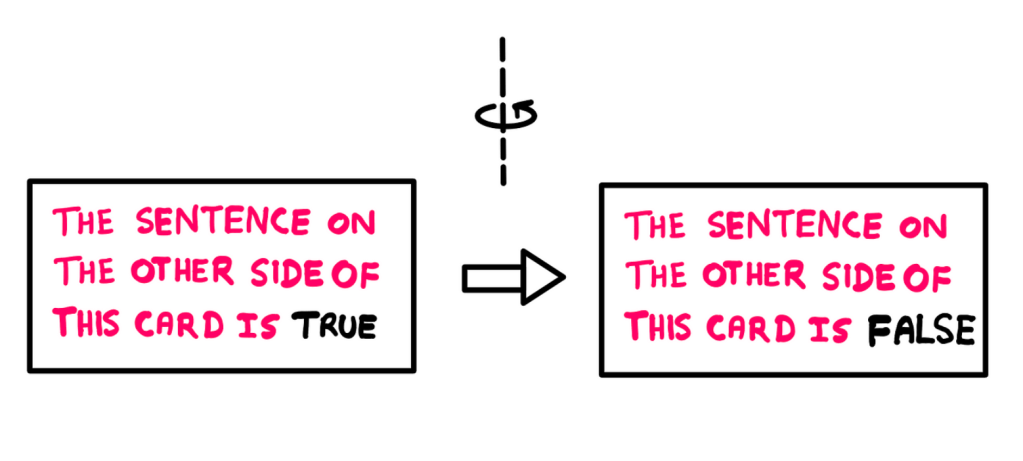
In my opinion, it is increasingly rare to come across books of genuine rigour and originality when browsing the popular science section. I should qualify the claim above by noting that these descriptions are subjective, and acknowledging such books are still published. For example, if one is searching for an original work then Hannah Fry’s…
-
Familiarity or Context?

Society often emphasises the importance of solving real-world problems, with education seen as the gateway to achieving this goal. In mathematics, the UK’s National Curriculum highlights the need to “develop reasoning and problem-solving skills in a variety of contexts, including unfamiliar and real-world situations.” Similarly, the PISA framework champions “an individual’s capacity to formulate, employ,…
-
Review#2

Flatland, Edwin Abbott Abbott. It is hard to write a novel, or even a novella, that puts maths front and centre. When I asked ChatGPT to suggest such works, other than the subject of this review, it returned a list of ten titles. I was already familiar with a number of the suggestions, but none…
-
Review#1

My pupils often remark on my enthusiasm for literature. They seem genuinely surprised to discover that someone who recently guided them through Pythagoras’ Theorem was also reading Kafka. Surely, they insist, it cannot be that an A-Level Maths teacher has ever read The Great Gatsby?! Most mornings, however, before I arrive at work, I enjoy…
-
Nudge Learning

The concept of “nudge politics” first came to my attention when reading Thaler and Sunstein’s influential book Nudge: Improving Decisions About Health, Wealth, and Happiness. Whilst their work focuses primarily on health and economic behaviors, I would like to suggest that the mechanisms they describe: subtle changes in how choices are presented to influence decisions,…
-
The Forgetting Curve
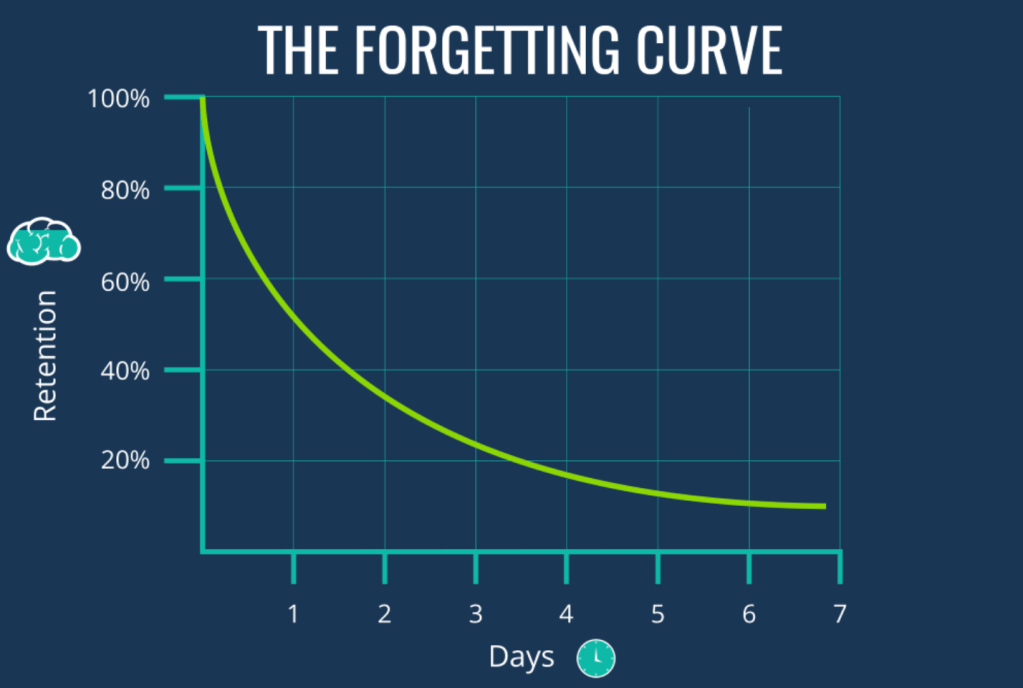
It is the case in many schools that each lesson is expected to have a learning objective which involves extending learners’ current knowledge or understanding. Such a policy is understandable, given the immense amount of content teachers and learners are required to cover during Key Stages 3/4. These policies push Heads of Department to maintain…
-
Is Education an Echo Chamber?
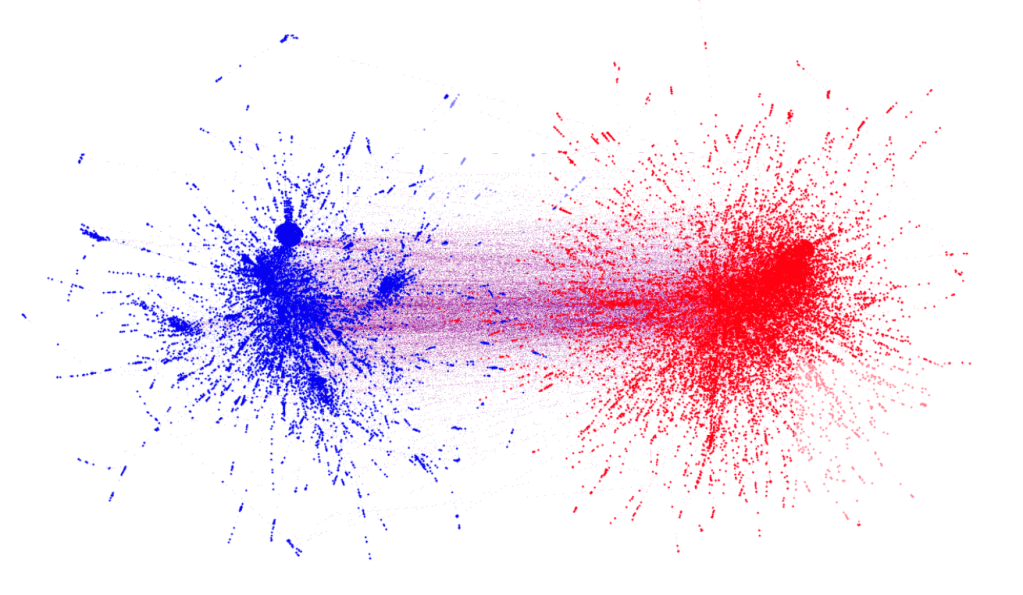
Echo chambers are everywhere, and whilst some are readily acknowledged, others often go unnoticed. One well-recognised example is the political echo chamber. Despite living when information has never been so easy to access, a significant proportion of the population today consume the vast majority of their news within the confines of their own ideological echo…
-
Blended Learning

The Education Policy Institute’s June 2023 report on teacher recruitment and retention offered a sobering view of the current landscape: The overall picture is, unfortunately, a fairly gloomy one. More teachers are quitting the profession before retirement and it is becoming harder to recruit to those posts, particularly in secondary schools. Unfortunately, this is now…
-
Unseen Progress

The Value of Unseen Development in Maths In a data-driven age, where metrics and outcomes often dominate, the idea that some types of progress are immeasurable is often sidelined. Yet, development that defies easy measurement is both real and significant. Perhaps it is a consequence of the easy measurability of attainment in mathematics, or the…
-
Lessons from Singapore

The drive towards mastery in the UK is widely viewed as having been successful in improving standards. The mastery approach is endorsed by the majority of teaching organisations, and practised by a growing number of primary and secondary institutions. While mastery reinforces foundational skills, problem-solving engages students in real-world applications, fostering adaptability and critical thinking…
-
Mastery and Marketisation.
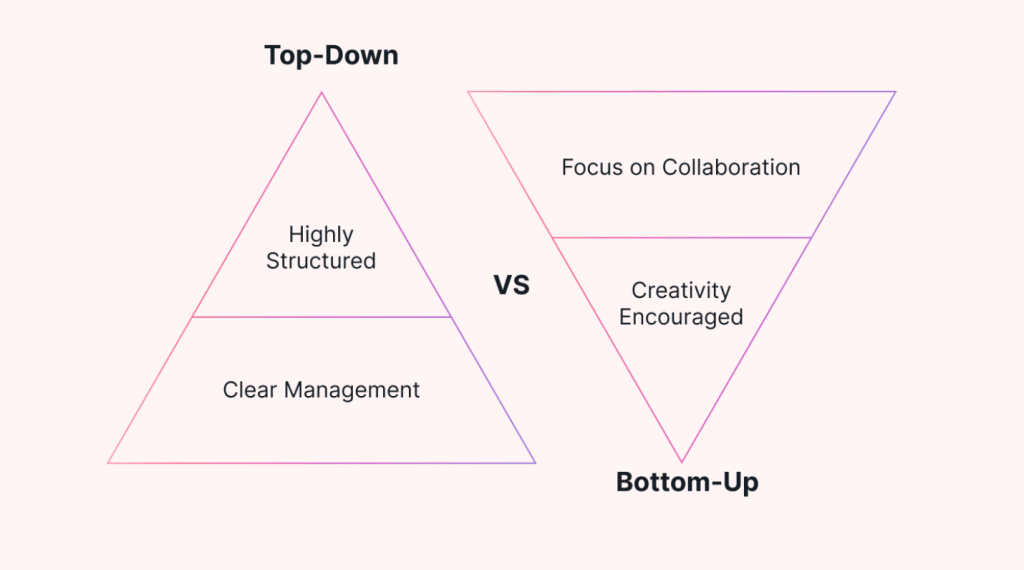
The recently launched Curriculum and Assessment Review in England has set ambitious goals: It aims to update the national curriculum, making it more inclusive, innovative, and aligned with the demands of a rapidly evolving workforce. The review focuses on foundational subjects such as maths, reading, and writing, while also emphasising the inclusion of skills like…
-
ZPD: Chess and Mathematics

I regard Vygotsky’s Zone of Proximal Development (ZPD) as a fascinating concept. The universality of the idea makes it a powerful framework for learning of any kind. Playing chess against Stockfish: I enjoy playing chess, although I have never dedicated the time necessary to learn openings, mating nets etc. to take my game to the…
-
Utility, Literature, and Motivation.

The ultimate aim of this blog post is to address the idea that maths should cover topics relevant to adult life. Typically given as examples are money management, tax returns, and various aspects of business mathematics. Whilst I sympathise with these suggestions and recognise their potential usefulness, I argue that they overlook some fundamental truths…
-
The Dilemma of Challenge

Why do so many able students feel disengaged in mathematics classrooms despite their potential? One related question discussed in this post is when should teachers move students from mastery-based learning to higher-order thinking and problem-solving? Statement 1 from Chat GPT: Mastery is the cornerstone of a solid mathematical education. It requires that students not only…
-
Storytelling in Maths Education

Maths teachers are only too aware that not every student is naturally enthusiastic about their subject. Rather than exploring the myriad reasons why some learners disengage from mathematics — a topic vast enough to fill numerous blog posts! — this discussion will focus on an alternative approach: using storytelling as a tool to enhance the…
-
Intrinsic Motivation (and Autonomous Learning)

Most school learning focuses on specific content within a rigid syllabus, limiting learner autonomy. In subjects like mathematics, the emphasis is on covering required content, often at the expense of fostering students’ intrinsic motivation and allowing them to take charge of their learning. It is therefore reasonable to ask: are students being given enough freedom…
-
A Case for Inclusion (Divisibility Rules)
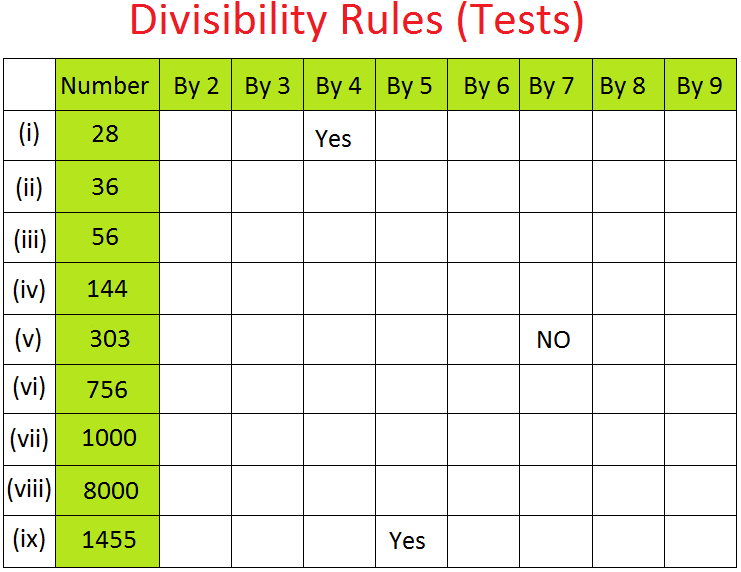
Consider the following: Firstly, in the UK 49% of the working-age population have the expected numeracy levels of a primary school leaver. Secondly, the annual cost to the UK economy resulting from poor numeracy is estimated to be approximately £25 billion. Both referenced in (National Numeracy research report). Statista link. Note this graph measures ‘low’…
-
A Case for Inclusion (Forgotten Theorems)

A useful analogy for learning new mathematical concepts is that of expanding a toolkit. The more concepts learners understand, the more strategies they can apply to problems, fostering flexibility in their thinking. However, the specific content of our curricula is, to some extent, arbitrary, meaning that certain theorems may be excluded, despite their potential value.…
-
AI in Maths Education

The Current State Of Affairs: A number of years ago, I attended a talk on ‘The Future of Transportation’. One statement made about driverless cars struck me as being highly probable, being the prediction that driverless cars would not suddenly replace ordinary cars, but would first perform specific functions such as parking, driving on a…
-
Intrinsic Motivation and the Intermediate Tier
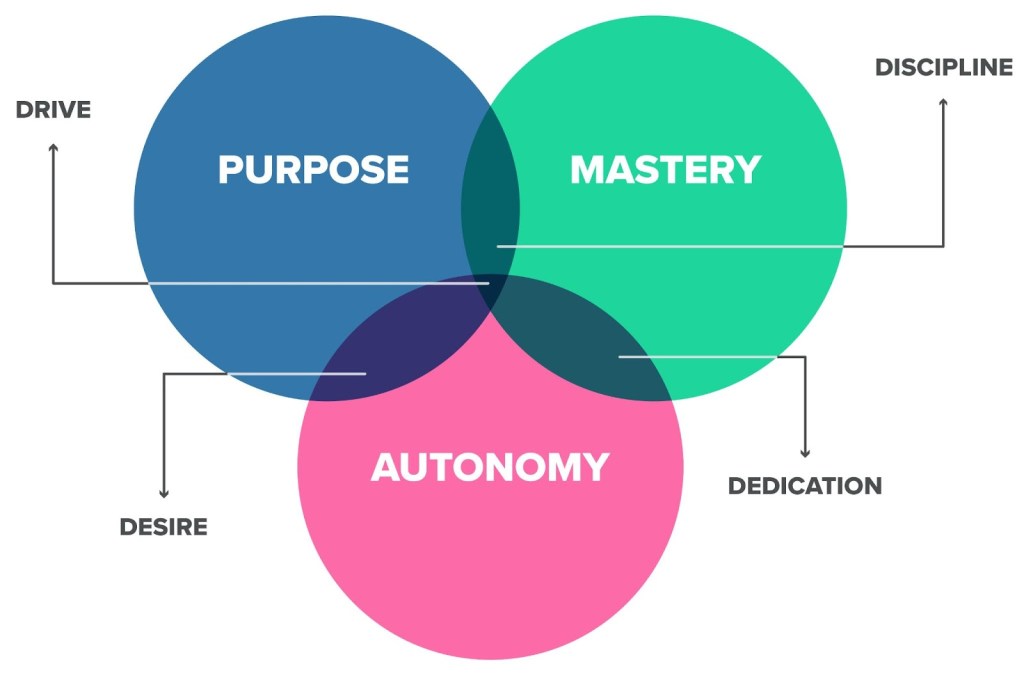
Would You Reintroduce The Intermediate Tier To GCSE Mathematics? If so, you are among the 68.8% of teachers who responded affirmatively in a recent Twitter poll, with only 16.3% opposed. This opinion piece puts forward my main concern with the current two tier system, and discusses related educational theory. Please note that I do not…
-
Is this Problem-Solving or Extension?
Problem-Solving and Extension in Mathematics A few years ago, during a professional development session, a discussion arose about the distinct roles of ‘extension’ and ‘problem-solving’ in the classroom. This conversation highlighted for me the critical differences between these approaches, sparking a deeper interest in understanding their nuances. Through subsequent training sessions and engaging with a…

MATHS ADVANCE BLOG
A Blog About Curiosity, Pedagogy, Resource and Policy
 MATHS ADVANCE BLOG